
When I first started designing baby knits, I assumed it would be relatively simple, just scale down what I had learned about designing adult patterns. Pick soft yarn, and add a bit of cuteness. How hard could knitting for babies be?
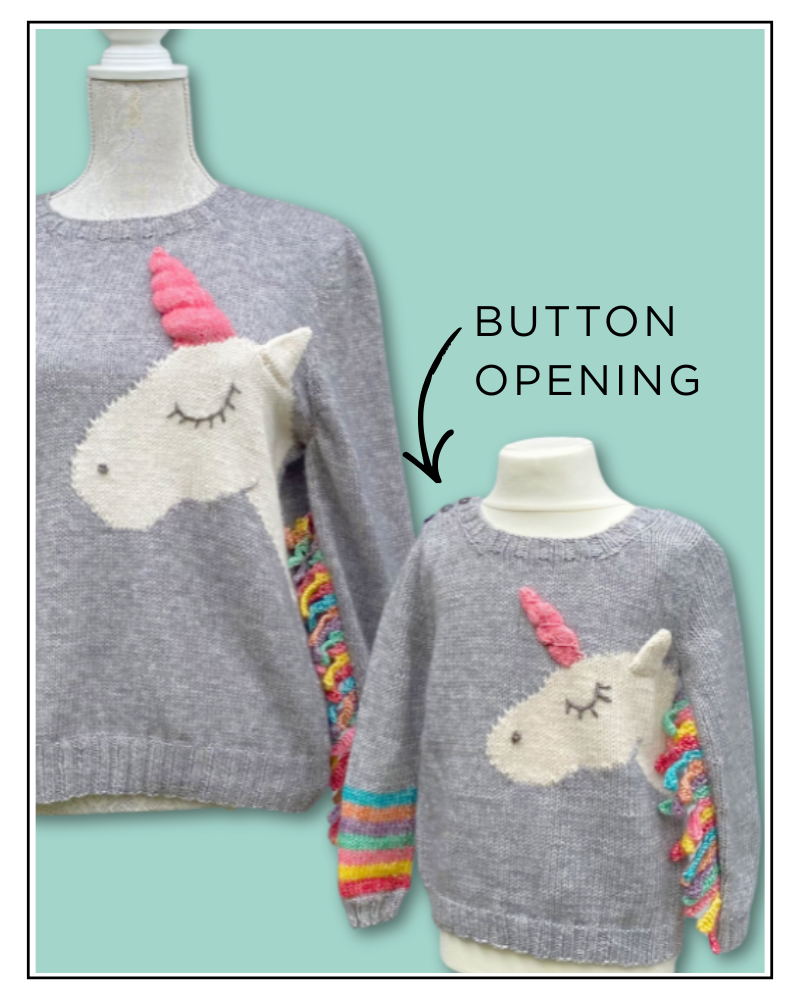
Then I knit a beautiful baby sweater, Soft yarn smooth stocking stitch fabric, everything looked perfect. Except when I tried to get it over a baby’s head, the cast-off edge had absolutely no give. None! In fact, I was in danger to removing the poor little one’s ears. That sweater taught me my first major lesson, babies have enormous heads relative to their neck size, and what works for adult proportions simply doesn’t translate when you scale it down.
I think designing for tiny humans has probably made me a better designer overall. The constraints, safety, washability, ease of dressing, forced me to think through every single decision. You can’t just make something beautiful, in the real world of spit-up, daily washing, and parents trying to dress a wriggly baby at 3am, baby garments must work so much harder than adult designs.
So, if you’ve ever wondered why baby patterns seem to have different construction methods or unusual details, there’s genuine reasoning behind those choices.
Proportions That Change Everything
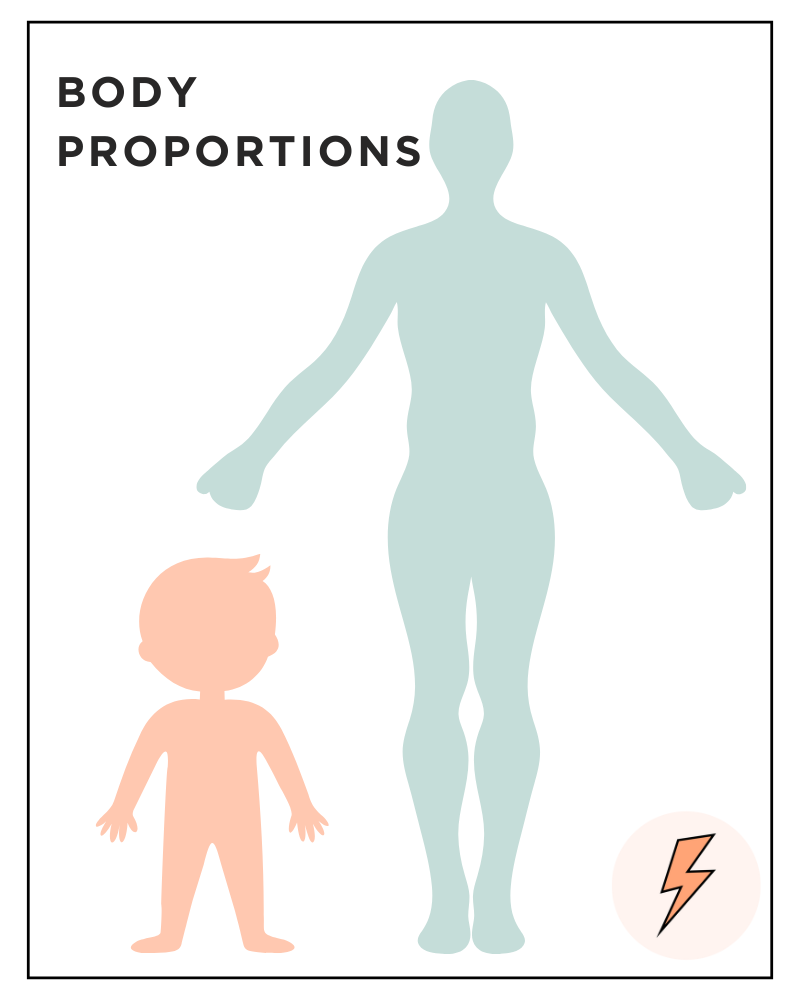
The first thing you notice when you really look at baby proportions is that head. Babies have heads that are enormous relative to their bodies, roughly a quartre of their total height, compared to about an eighth for adults. Add in a practically lack of neck and rounded shoulders, and you realise why adult construction methods simply don’t work at baby scale.
This is why you see so many baby cardigans and jumpers with those clever envelope necklines or wide boat necks. It’s not just a design trend, it’s solving the very real problem of getting knitwear over that disproportionately large head without stretching out the neckline or distressing the baby. Some designers even build their patterns to pull on from the feet up, which sounds odd until you’ve wrestled with a traditional over-the-head design.
Bellies and Baby Knitting
Then there’s that gorgeous round baby belly. Adults have waist shaping and longer torsos, but babies are delightfully squidgy. If you simply grade down an adult pattern, you end up with shaping in all the wrong places, decreases where there should be fullness, length proportions that bunch up or ride up. Baby knits need their own shaping logic, with enough room through the middle and shorter overall lengths that account for how babies sit and move.
The short limbs present another challenge, but here’s where thoughtful design can extend the life of your handknit. Those deep cuffs you see on baby sleeves and trouser legs aren’t just decorative, they’re designed to be turned up initially, then gradually unfolded as the baby grows. When you’ve spent hours knitting something precious, you want it to last more than a few weeks. Building in that growing room means designing slightly oversized with adjustable elements, so you keep up with those rapid growth spurts. Sleeve and leg lengths need to account for babies who spend a lot of time with bent knees and arms but also leave room for those limbs to lengthen without the garment becoming immediately unwearable.
Yarn Choices, Practicality Over Beauty
Here’s where baby knitting parts ways most dramatically with adult knitting. Yarn choice, you simply cannot prioritise beauty over practicality.
A friend received a stunning baby cardigan knit in the most gorgeous pure merino. It was buttery soft, the colour was exquisite, and after one wash it had shrunk to fit a doll. The knitter had chosen with their heart, selecting the most luxurious yarn, but hadn’t considered that this cardigan would need to survive multiple washes per week. Because babies are messy creatures, and handwashing a cardigan every few days simply isn’t realistic for exhausted parents.
Why Machine Washable Yarn is Essential for Baby Knitting
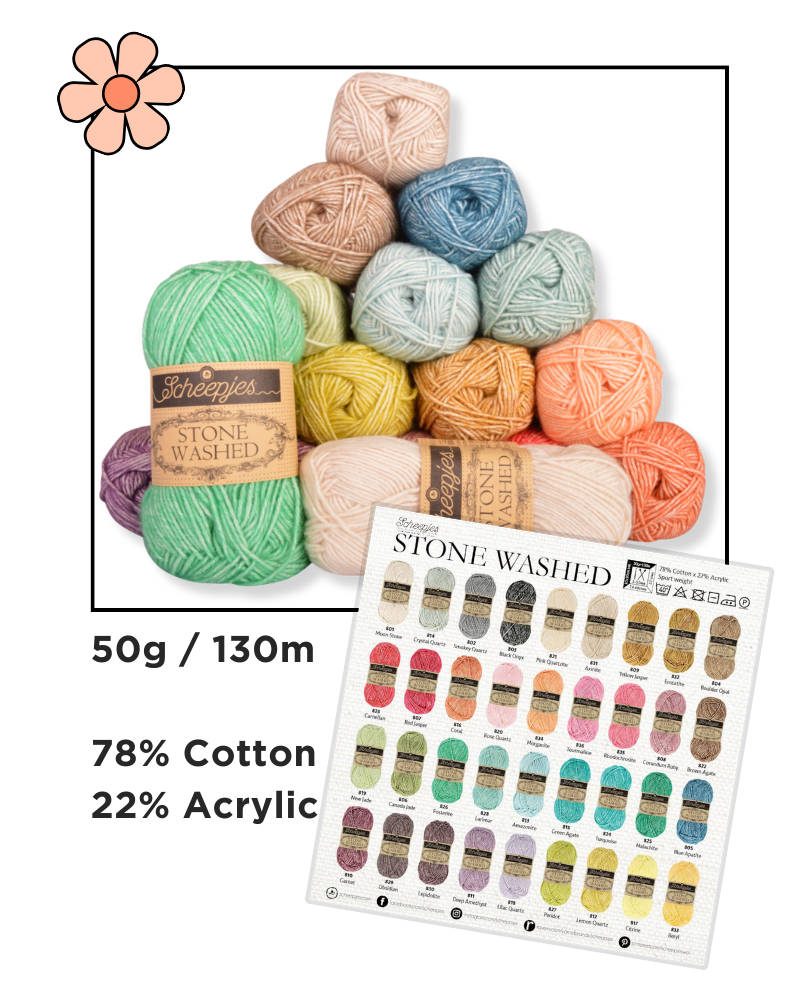
Machine washable isn’t just a nice-to-have for baby knits, it’s essential. Superwash treatments, acrylic blends, cotton blends, these aren’t compromise choices, they’re the right choices. The yarn needs to come out of a 40-degree wash looking like new without needing any special care or reshaping. Cotton-acrylic blends are particularly brilliant for baby knits. You get the breathability and natural feel of cotton combined with the durability and easy-care properties of acrylic. These blends wash beautifully, hold their shape, and often have just the right amount of softness without being overly drapey. They’re practical workhorses that parents will use.
Testing Yarn Softness for Baby Skin
What really feels soft against baby skin? What feels lovely to our adult hands might be surprisingly scratchy against delicate skin. I’ve learned to test yarn against my inner wrist or my neck rather than trusting my fingertips. Babies can’t tell you a jumper is irritating them, they just fuss and pull at it, and parents understandably stop using handknits that make their baby uncomfortable.
Construction Methods
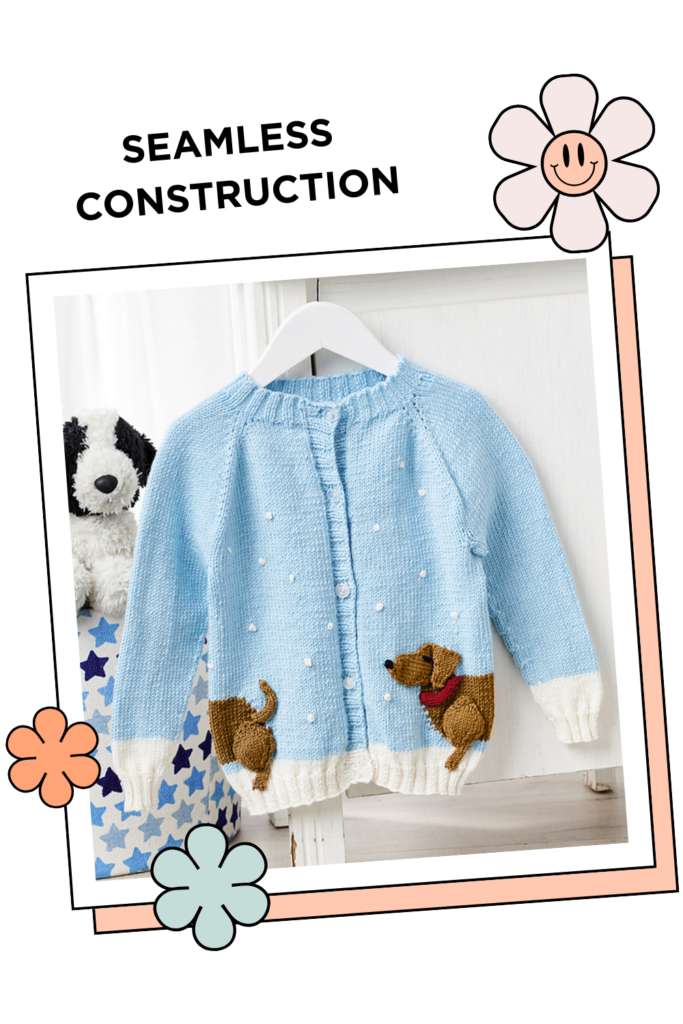
If you’ve looked at baby knitting patterns, you’ve probably noticed how many are worked seamless or top-down. This isn’t just following knitting trends, it’s about creating garments that are genuinely comfortable for babies to wear.
Seamless vs Seamed, Why It Matters
Seams can be surprisingly problematic on baby knitwear. Babies spend enormous amounts of time lying on their backs, and a bulky seam running down the back of a garment becomes an uncomfortable ridge pressing into delicate skin. Mattress stitch creates a lovely finish for adult garments, but for babies, seamless construction or very flat seams make much more sense.
Neckline Solutions for Easy Dressing
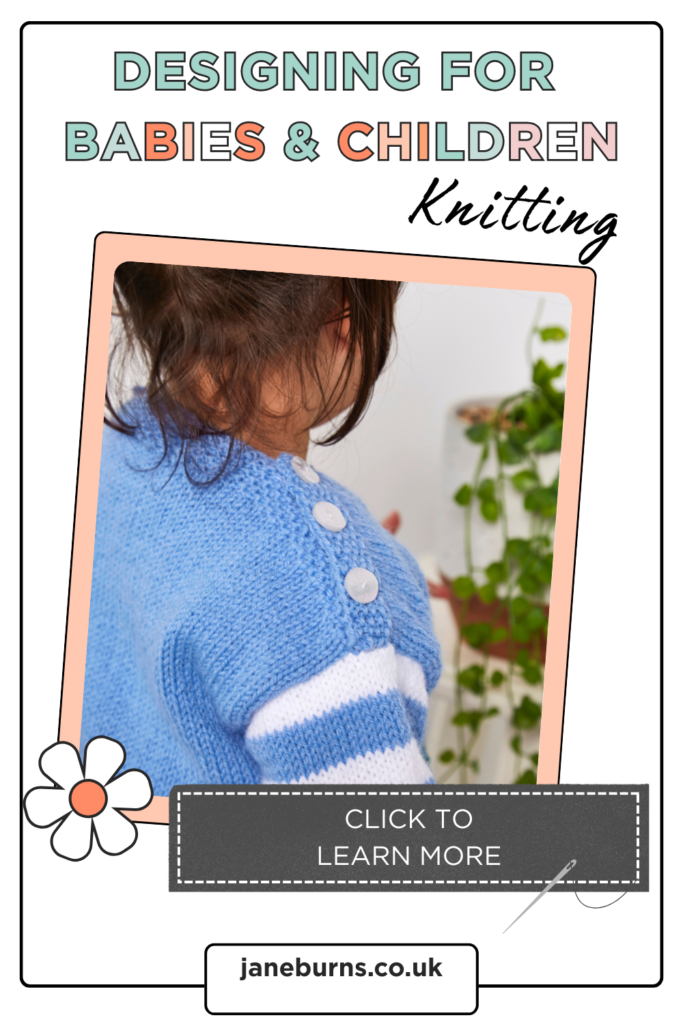
Then there’s the matter of getting clothes onto babies. Those envelope necklines I mentioned earlier. They’re genius not just for the oversized head issue, but because they create openings that parents can navigate whilst supporting a floppy newborn head. Wide necklines, snaps at the shoulder, or garments that don’t need to go over the head at all, these aren’t design flourishes, they’re practical necessities that make the difference between a handknit that gets worn and one that stays in the drawer because dressing becomes a battle.
Button and Fastener Safety
Button and fastener placement requires careful thought too. Buttons need to be extremely secure, double-sewn, and checked regularly because babies explore the world by putting everything in their mouths. I tend to use smaller buttons placed closer together rather than larger statement buttons, and I always consider whether snaps might be safer and easier for the parents to manage. The fasteners need to be positioned where they won’t dig into the baby when they’re lying down or being carried.
Stitch Patterns and Tiny Fingers
This might surprise you, those beautiful lacy patterns and textured stitches that look so stunning in adult knits can become genuine hazards in baby sizes.
The Danger of Knitted Lace Patterns for Babies
Tiny fingers are surprisingly good at finding their way into openings they shouldn’t. A delicate lace pattern with yarn overs might photograph beautifully, but in practice, those little holes become perfect traps for curious fingers and toes. I’ve heard stories of babies getting fingers stuck in eyelet patterns, and once you’ve considered that possibility, you start viewing stitch pattern choices through an entirely different lens.
Safe Textured Alternatives
This doesn’t mean baby knits have to be just stockinette. Textured patterns work brilliantly, think moss stitch, gentle cables, garter stitch. They create visual interest without creating snag points. These patterns also tend to have better stretch and recovery, which matters when garments are being pulled on and off multiple times a day.
If you do want to incorporate lace or more open patterns, consider where they’re placed. A lacy yoke on a cardigan is less problematic than lace on sleeves where little hands are constantly moving. Borders and edgings with small eyelets can work if the holes are genuinely tiny, but those larger decorative openings that look so elegant in shawls? Save them for adult knitting.
The other consideration with stitch patterns is how they behave after washing. Complex textures that rely on blocking to show their definition might look muddled after being tumble dried, which brings us back to, beauty has to serve practicality in baby knitting, not the other way around.
Yarn Weight, Matching Purpose to Practicality
There’s genuinely no single “best” option when it comes to yarn weight for baby knits, each weight brings its own advantages and compromises.
DK and Light Worsted, The Popular Choice for Baby Knitting
DK and light worsted weight yarns are probably the most popular for baby knits, and for good reason. They work up reasonably quickly (important when you’re knitting something that might only fit for a few months), create fabric with good structure that holds its shape through washing, and hit that sweet spot between warmth and breathability.
4ply and Fingering Weight, Delicate but Time Consuming
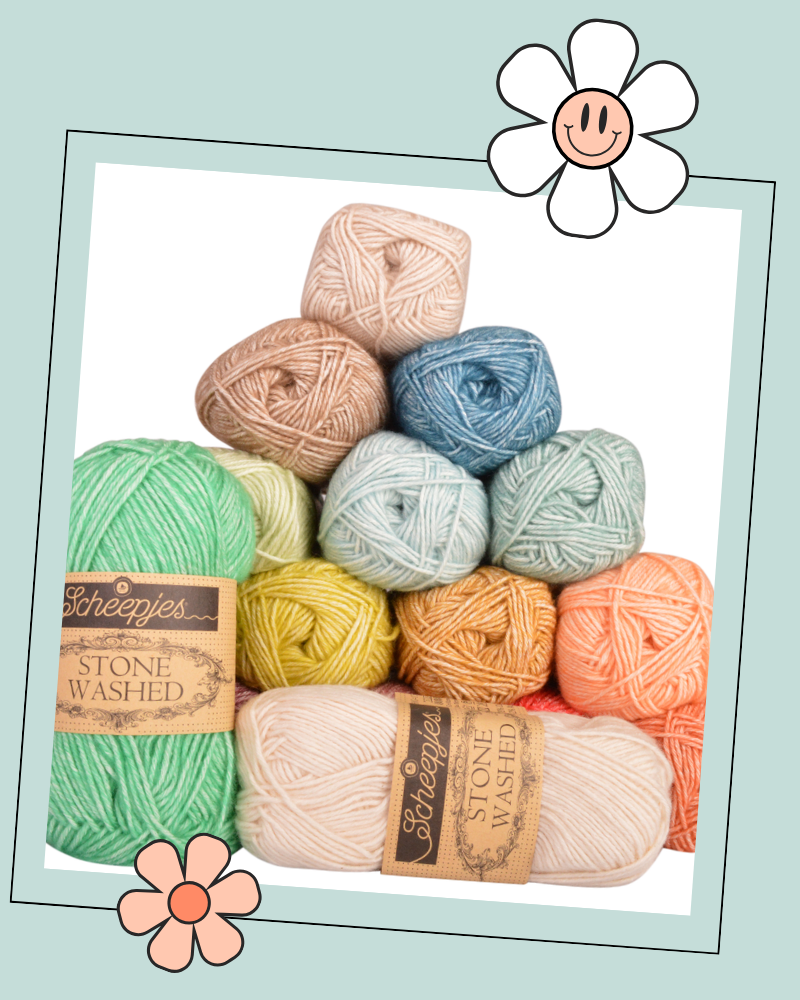
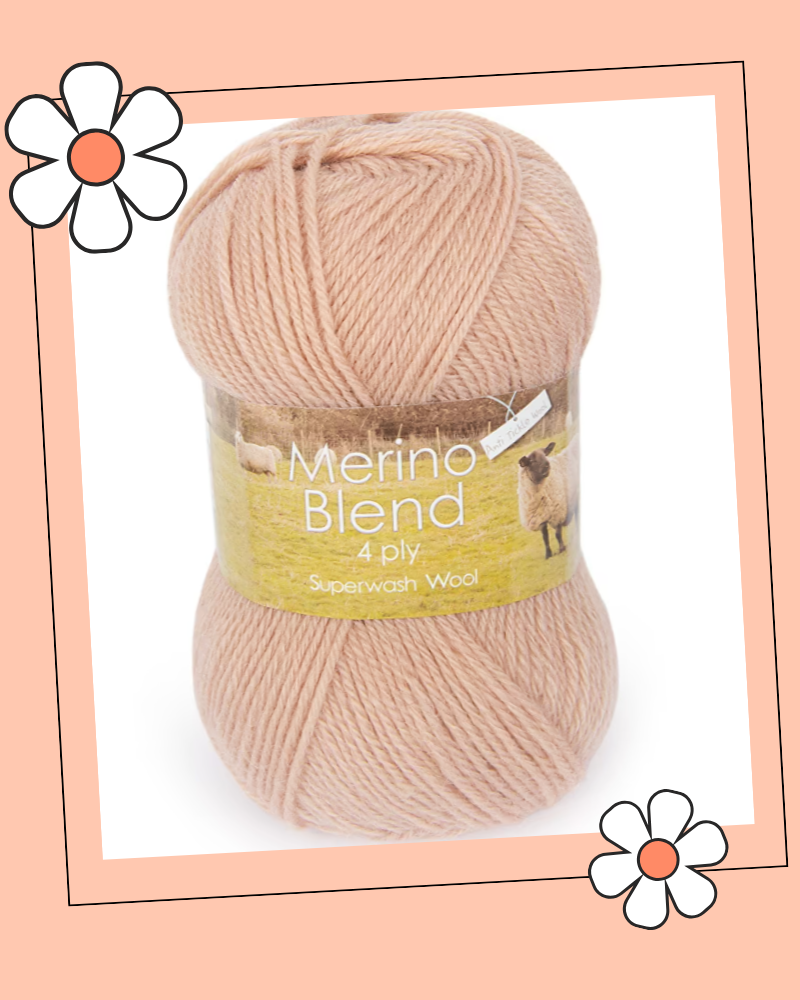
4ply and fingering weights create those delicate, precious looking baby garments that look great on Instagram. The fabric drapes softly and feels wonderfully light. But they take significantly longer to knit, and that fine fabric can be less durable when it’s being washed multiple times a week and subjected to the general rough treatment that baby clothes endure. Keep those finer weight yarns for special occasion pieces or christening gowns rather than everyday wear.
Chunky and Bulky Weights, Too Warm for Babies
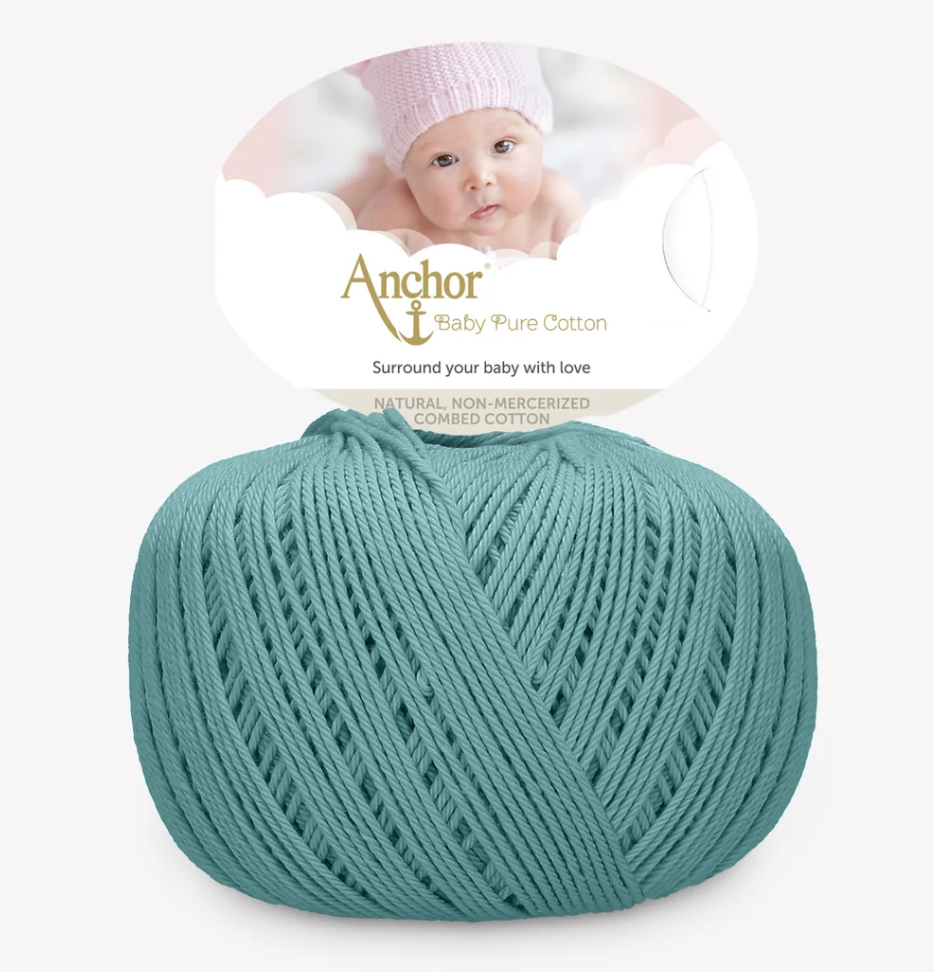
Chunky and bulky weights knit up quickly, which is tempting when you want to finish a gift before the baby arrives. They create wonderfully cosy garments for cold weather. However, the thick fabric can be too warm for indoors, less practical for layering, and the larger stitches mean those snag-point concerns I mentioned earlier become even more relevant. Chunky knits also tend to be stiffer and less comfortable for babies who spend time lying down or being carried in slings.
Aran Weight, The Middle Ground
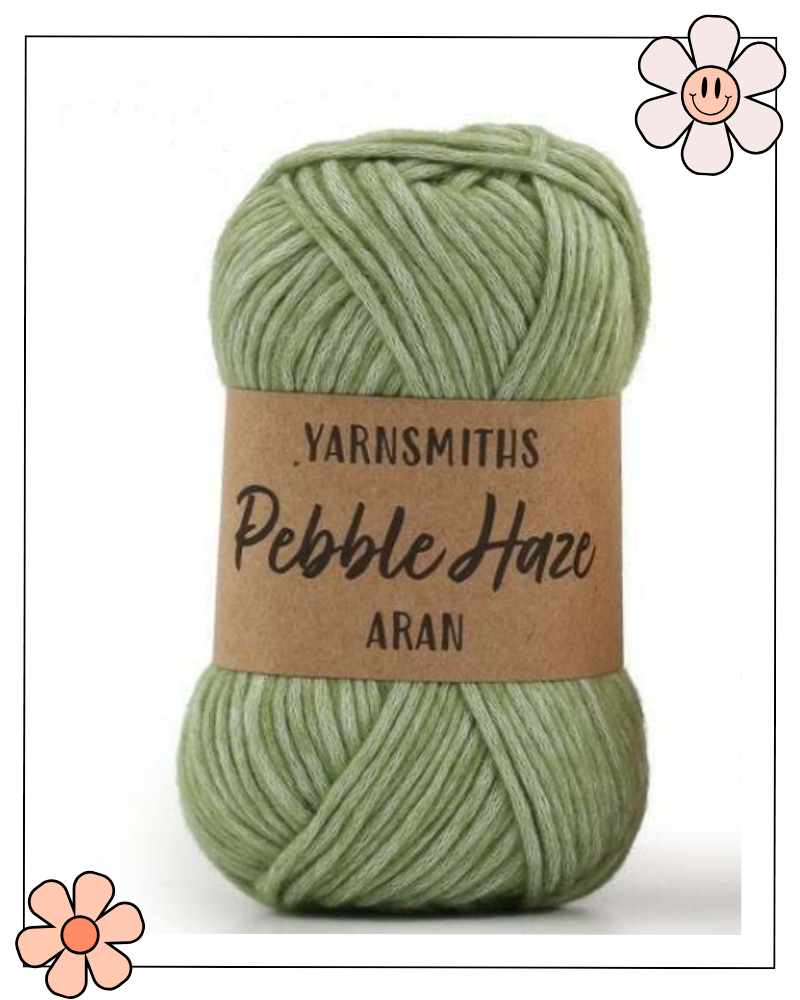
Aran weight yarn sits in an interesting middle ground, substantial enough to feel sturdy and warm, fine enough to create comfortable fabric that isn’t too bulky. It works particularly well for outerwear like pram coats or cardigans meant for outdoor adventures.
The key is matching your yarn weight to the garment’s purpose. Everyday cardigans and rompers benefit from DK’s practicality. Special occasion outfits can justify the time investment of 4ply. Outdoor winter wear might call for Aran. Each choice shapes not just how long the knitting takes, but how the finished garment functions in a baby’s life.
Safety, Durability, Then Beauty
This is where designing for babies requires a complete mental shift from designing for adults. With adult knitting, we can often lead with aesthetics, that stunning colourwork, fabulous drape, intricate stitch pattern, then we consider practicality as a secondary concern. With babies, that hierarchy flips entirely.
When Knitting for Babies Always Safety First
Safety comes first, always. Every design decision gets filtered through this lens. Are the buttons secure enough that they won’t come loose? Could a baby’s finger get trapped in this stitch pattern? Is this yarn going to pill into little fibres that could be pulled off and put in a mouth? Will this ribbon tie stay attached or could it become a hazard? These aren’t dramatic concerns, they’re the everyday realities of designing for humans who explore their world by grabbing, pulling, and tasting everything within reach.
Durability That Lasts
Durability sits just behind safety. A beautiful handknit that falls apart after three washes or pills into oblivion after a month isn’t the perfect gift, it’s a disappointment. This is why I test my baby designs with proper washing, the kind of washing they’ll face. The kind of washing I am sure you did with your knitted swatch when choosing your yarn, you did swatch??? Hot water, regular detergent, sometimes even the tumble dryer. If the design can’t survive real world treatment, it needs rethinking, no matter how lovely it looks fresh off the needles.
Beauty Through Function When Knitting for Babies
Then, and only then, comes beauty. Which sounds harsh until you realise that working within these constraints makes you more creative, not less. You learn to create visual interest through thoughtful construction rather than delicate details. You discover that a well-proportioned silhouette and carefully chosen colour can be more striking than elaborate stitch patterns. You find beauty in functionality in the way an envelope neckline solves a problem whilst creating an interesting design line, or how deep ribbed cuffs serve both practical and aesthetic purposes.
For adult knitting, we can choose yarns that need handwashing, create designs with trailing ties and delicate fastenings, incorporate intricate lace that needs careful blocking. We’re knitting for people who can appreciate and care for special pieces. With babies, we’re creating garments that need to work in the chaos of daily life whilst still bringing joy. That’s a different kind of design challenge entirely.
Care Needs, The Reality of Daily Washing
Let’s be brutally honest about what baby knitwear faces, daily washing is not an exaggeration. Between spit-up, nappy leaks, food experiments, and the general stickiness that babies seem to generate, a garment might need washing after a single wear. Sometimes after a single hour of wear.
This is why those care instructions matter so much more for baby knits than adult knits. An adult jumper that needs handwashing and flat drying might get worn a dozen times before it sees soap and water. A baby cardigan needs to survive multiple washes per week, often for months on end if you’ve built in that growing room I mentioned earlier.
Designing for Machine Washing
I design with the assumption that parents will bung it in the washing machine at 40 degrees with everything else. Not because they don’t care about the handknit, but because they’re managing approximately seventeen hundred loads of washing per week. Special care instructions essentially guarantee the garment won’t get worn, because it becomes one more thing to remember and manage.
Colourfastness Matters
This is also why colourfastness matters more than it might for adult knits. Baby clothes often get washed with everything else, muslins, bibs, sleepsuits all tumbled together. If your beautiful red cardigan bleeds onto the white sleepsuits, that handknit is going to develop a reputation! I always test yarn for colourfastness before committing to a baby design, particularly with bright or dark colours.
Maintaining Shape Through Washing
The fabric needs to come out of the wash looking essentially the same as it went in (minus the sticky stuff). No dramatic shrinkage, no stretching out of shape, no pilling that makes it look tatty after a fortnight. Some parents will tumble dry, even if your pattern says not to, so if you’re gifting a design, it’s worth choosing yarns that can tolerate that treatment. This is about creating knits that can actually be loved and used rather than carefully preserved and barely worn.
Adding Care Instructions to Your Gifts
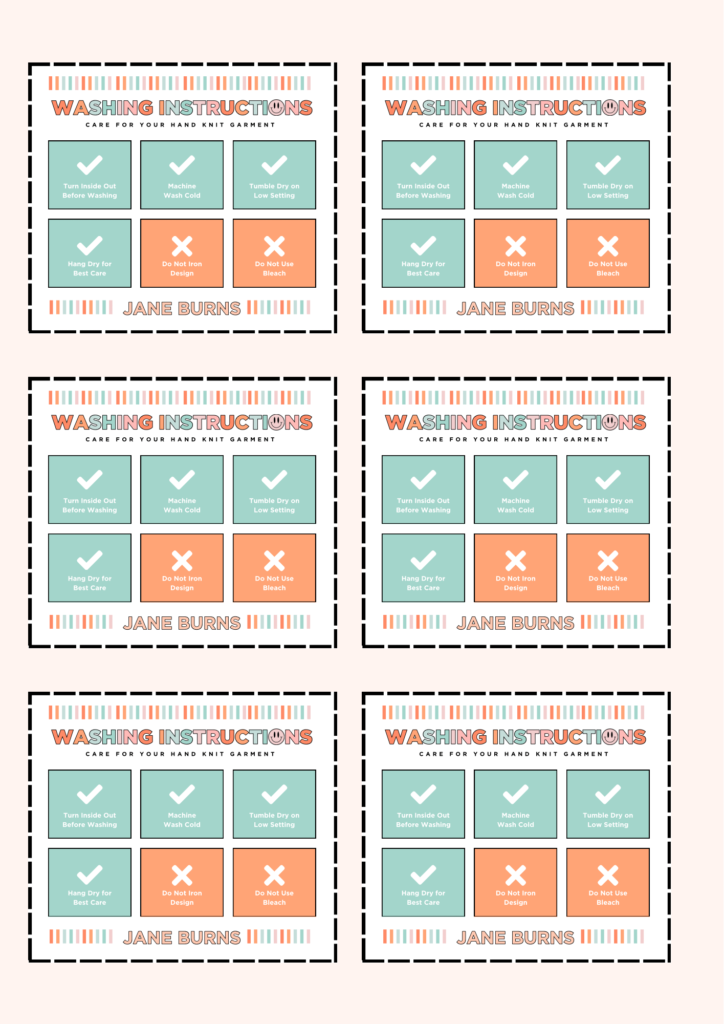
Here’s a lovely touch when gifting baby knits, include the yarn ball band with your gift. Those little labels contain all the care instructions the parents will need, and it takes the guesswork out of washing. If you’ve thrown the ball band away, create a simple care tag with the essential information such as fibre content, washing temperature, whether it can be tumble dried. I’m have created a free printable care label sheet that knitters (and crocheters) can download and attach to their handmade gifts. You can download it here (just add to the cart and check out there will be no charge)
Learning From Constraints When Knitting for Babies
When I look back at that first baby sweater with its impossible neckline, I’m grateful for the lesson it taught me. Designing for babies has fundamentally changed how I approach all my pattern design work. The discipline of thinking through every choice and asking, “but will this actually work in real life?” has made me more thoughtful about construction methods, more deliberate about yarn recommendations, more aware of how garments function beyond how they photograph.
These constraints don’t limit creativity, they focus it. They push you to find elegant solutions to practical problems, to create beauty that serves a purpose. Every design choice in a baby knit needs to earn its place by being safe, durable, and genuinely wearable. That’s a higher bar than simply making something attractive.
If you’re thinking about designing or knitting for babies, embrace those constraints rather than fighting them. Choose machine washable yarns without apology. Build in envelope necklines and deep cuffs. Test your stitch patterns for snag points. Design for the chaos of real baby life, not for the Instagram photo. The parents who receive your knits will use them, wash them repeatedly, and remember them fondly as garments that survived those precious, exhausting early months.
Frequently Asked Questions:
Can I use any yarn for baby knitting?
No, baby knitting requires machine washable, hypoallergenic yarns that can survive frequent washing. Avoid yarns that need handwashing or special care. Cotton-acrylic blends, superwash wool, and quality acrylics work brilliantly for baby knits. Always test yarn against your inner wrist or cheek to check softness, as what feels soft to your hands might be scratchy against delicate baby skin. Some babies react to wool even if it’s soft merino, so having non-wool options is important.
Why won’t my adult knitting pattern work for a baby if I just make it smaller?
Baby proportions are fundamentally different from adults. Babies have heads that are roughly a quarter of their total height (compared to an eighth for adults), practically no neck, round bellies, and short limbs. Simply scaling down an adult pattern creates shaping in the wrong places and necklines that won’t fit over that enormous baby head. Baby knits need their own construction logic, including envelope necklines, appropriate body shaping, and shorter overall lengths.
What’s the best yarn weight for baby knitting?
DK and light worsted weights are the most popular and practical choices for everyday baby knits. They work up reasonably quickly, create good structure that holds through washing, and offer the right balance of warmth and breathability. 4ply works beautifully for special occasion pieces but takes longer to knit and creates less durable fabric for daily wear. Chunky weights can be too warm and stiff for baby comfort. Match your yarn weight to the garment’s purpose: DK for everyday cardigans, 4ply for christening gowns, aran for outdoor winter wear.
How do I add growing room to baby knits?
Design slightly oversized with deep cuffs on sleeves and trouser legs that can be turned up initially, then gradually unfolded as the baby grows. This extends the wearable life of your handknit from a few weeks to several months. Build in approximately 10-15% extra ease in the body, use adjustable fasteners, and consider longer body lengths that can accommodate growth spurts. Remember that babies grow rapidly, so planning for this from the start means your beautiful handknit will actually be worn and loved.
What makes a button safe for baby knitting?
Buttons on baby knits must be extremely secure! Double-sewn and checked regularly because babies explore everything with their mouths. Use smaller buttons placed closer together rather than large statement buttons. Consider whether snaps might be safer and easier for parents to manage. Position fasteners where they won’t dig into the baby when lying down or being carried. Always prioritise security over aesthetics, and if you’re unsure, snaps are generally the safer choice.
What surprised you most when you started knitting for babies? Or what do you wish someone had told you before you began? I’d love to hear your experiences in the comments below.
